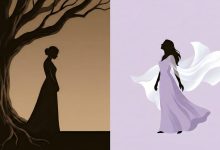
After Reading
There are books that wait for us, and there are books we must wait for. One Hundred Years of Solitude taught me the difference.
When reading becomes a struggle—when the words resist you, when the pages feel like walls—don’t force it. Don’t push yourself through a work that refuses to open itself to you. Don’t wrestle with sprawling narratives that seem deliberately chaotic, don’t strain to untangle generations of characters whose names echo and multiply across decades, don’t exhaust yourself distinguishing between José Arcadios and Aurelianos. These barriers exist for a reason. They are not defects in the book; they are messages from your unready self. They whisper: Not yet. Not now.
I was in high school when I first bought it—motivated, I’ll admit, by curiosity mixed with vanity. I wanted to be the kind of person who had read García Márquez. I wanted to carry that particular badge of literary sophistication. So I read, or tried to. I read seriously, dutifully, determinedly.
And it terrified me.
Not in the way ghost stories frighten children, but in a deeper, more unsettling way I couldn’t articulate. The book showed me something I wasn’t equipped to see. After two chapters, I closed it and couldn’t bring myself to open it again. The fear wasn’t of the book itself, but of what it revealed about the distance between who I was and who I would need to become to understand it.
Like so many others, I placed it on the highest shelf—that graveyard of good intentions. I told myself I had read it, or enough of it. I told myself it wasn’t all that impressive anyway. These were the lies we tell to protect our pride when a book defeats us.
Years passed. Life happened—the kind of life that strips away pretense, that teaches you the difference between performing loneliness and inhabiting it. I learned what it meant to be alone not as a romantic pose but as a fundamental condition. The restlessness that had defined my youth settled into something quieter, something that could finally sit still. And on one cold afternoon, with nothing to prove to anyone, I picked up the book again.
It was like discovering buried treasure in my own home.
What had been impenetrable now flowed like water. The words that once repelled me now crashed against my heart in waves, relentless and cleansing. The labyrinthine plot that had seemed like deliberate obscurantism revealed itself as perfect architecture—each element necessary, each repetition meaningful. I would wake from dreams still marveling at García Márquez’s narrative structure, the way he could tell a story with such cool detachment while excavating such profound desolation. The book hadn’t changed. I had.
I think now of all the readers who, like my younger self, approach this book before they’re ready. They come armed with ambition or curiosity or academic obligation, and the book turns them away—not because they’re inadequate, but because they’re not yet acquainted with the particular species of sorrow that García Márquez writes about. One Hundred Years of Solitude is not a book about magical realism or Latin American history, though it contains both. It is a book about how we inherit loneliness, how we pass it down through generations like genetic code, how we repeat our ancestors’ mistakes with minor variations, how time moves in circles even as we insist it moves forward.
You cannot understand this until you have lived enough to see the patterns in your own life, until you recognize your parents’ struggles reemerging in your own, until you feel the weight of accumulated years pressing down on the present moment.
So if you find yourself struggling with this book—if the Buendía family tree confuses you, if the repetition of names frustrates you, if the blend of mundane and miraculous seems arbitrary—put it down. Place it on your shelf. Don’t feel ashamed. You’re not failing the book; you’re simply not yet the reader it requires.
The book will wait. It has already waited decades. It will wait for you to experience enough loss, enough disappointment, enough solitude. It will wait for you to understand that the magical elements in the story are not escapes from reality but intensifications of it—that a woman ascending to heaven while folding sheets is no more miraculous than a family condemned to repeat its history for a hundred years.
And when you return to it—if you return to it—you may find, as I did, that this book you once abandoned has been waiting patiently to tell you something essential about yourself, about time, about the beautiful and terrible inheritance of being human.
Some books we conquer. Others conquer us. The greatest books do neither—they wait, with infinite patience, for the moment when we’re finally ready to meet them as equals.